Blog
Travel is more than just moving from one location to another; it is an art form that combines logistics, creativity, and cultural sensitivity. Whether you are looking to capture the perfect landscape, plan a life-changing honeymoon, or understand the intricacies of local gastronomy, the key to a fulfilling journey lies in preparation and knowledge. This resource hub is designed to move beyond superficial tourist advice, offering deep dives into the technical, emotional, and practical aspects of modern exploration.
From the technical settings on your camera to the etiquette of a Cuban dance floor, we break down complex subjects to help you travel smarter. Our guides are structured to provide actionable advice for independent travelers who seek authenticity and quality in every aspect of their trips, be it a high-altitude adventure or a relaxing villa stay.
Mastering Landscape and Travel Photography
Returning home with stunning images is a priority for many, but capturing the essence of a destination requires more than just a high-end camera. It demands an understanding of light, composition, and equipment care. Photography is often about problem-solving: how to manage difficult lighting or how to keep your gear safe in harsh environments.
Lighting and Composition Techniques
Understanding natural light is fundamental. The debate between the Golden Hour and the Blue Hour is crucial for coastal landscapes, as each offers a distinct emotional palette—warm and nostalgic versus cool and ethereal. Furthermore, managing high-contrast scenes often intimidates beginners. However, it is entirely possible to photograph these challenging landscapes without investing in expensive filters if you understand exposure bracketing and post-processing basics. To truly elevate a shot, incorporating the « HumanElement »—a silhouette or a figure in the distance—can instantly provide scale and narrative to vast scenery.
Gear Maintenance and Logistics
Travel environments can be hostile to delicate electronics. A shoot on a sandy, windy beach poses significant risks. Knowing how to properly clean salt and sand from your camera sensor is a mandatory skill to avoid ruining your equipment. Beyond physical care, data security is paramount. The debate between Cloud storage vs. Hard Drive backups is vital for travelers; a hybrid strategy is often the safest bet to ensure your memories survive the trip. Additionally, for those using aerial cameras, staying compliant with drone laws and checking restricted zones before flying is essential to avoid heavy fines or confiscation.
The Psychology of Honeymoons and Couple Travel
A honeymoon is often the most significant trip a couple will take, yet it is fraught with potential pitfalls. Moving from the stress of a wedding directly into a high-stakes vacation can lead to tension. Successful couple travel requires navigating financial expectations, emotional fatigue, and logistical disagreements before the plane even takes off.
Planning and Budgeting for Two
Money is a common source of friction. The decision between a cash registry or physical gifts can determine the quality of your trip, with many couples now preferring guests to fund experiences rather than household items. When booking, savvy travelers know to avoid the « WeddingTax »; mentioning the word « honeymoon » can sometimes inflate prices without adding value. Furthermore, agreeing on a destination requires compromise and clear communication to ensure both partners feel their desires are met without argument.
Managing Expectations and Timing
The pressure to have a « perfect » time can be overwhelming. Many experts suggest an Immediate vs. Delayed departure strategy; waiting a few months after the wedding can save your sanity and allow for better planning. Once on location, the error of « Over-Scheduling » often ruins the romance, leaving no time for spontaneity. It is also normal to experience a « NowWhat? » feeling after the adrenaline of the wedding drops; acknowledging this post-event dip is the best way to handle it and truly relax.
Gastronomy: The Search for Authenticity
Food is a gateway to culture, but the modern tourism industry is flooded with industrial imitations. True culinary travel involves understanding seasonality, production methods, and regional history. Using the rich terroir of Corsica as a primary example, we explore how to distinguish artisanal excellence from tourist traps.
Identifying Genuine Local Products
In regions famous for cured meats, such as the Mediterranean, knowing how to spot industrial fakes is a critical skill. Whether buying Figatellu or Lonzu, looking for specific labels and understanding the visual cues of artisanal production ensures you are getting the real deal. Similarly, cheese consumption should be dictated by nature, not demand. Understanding why products like Brocciu are strictly seasonal—available only from November to June—protects you from eating frozen or chemically preserved substitutes.
Dining and Pairing Like a Local
Finding the right place to eat is just as important as what you eat. The distinction between a commercial restaurant and a traditional Ferme-Auberge (farm-inn) is significant for those seeking « Grandma’scooking. » Furthermore, elevating a meal requires knowledge of local wines. Knowing whether a Patrimonio or a Sartène pairs best with a wild boar stew demonstrates a respect for regional culinary traditions and enhances the dining experience significantly.
Accommodation Logistics: Villas and High Altitude
Where you sleep dictates the rhythm of your trip. Whether renting a private villa for a family summer or staying in a hotel at 3,100 meters above sea level, specific technical and health considerations must be addressed to ensure comfort and safety.
The Technicalities of Villa Rentals
Renting a private pool villa is a significant investment, often worth the extra cost for families seeking privacy. However, the logistics can be complex. Travelers should be aware of:
- Pool Heating Costs: Why energy consumption can add hundreds to your weekly bill.
- Safety Regulations: Understanding mandatory pool alarms and fences to ensure child safety.
- Maintenance: Knowing how to test pH levels yourself if the water looks cloudy and understanding the typical cleaning frequency of the pool guy.
- Privacy: Using satellite maps to check if a pool is overlooked by neighbors before booking.
Health and Comfort at High Altitude
Staying at extreme elevations, such as in the Alps near the Matterhorn, offers breathtaking views but presents physiological challenges. The view—Matterhorn vs. Monte Rosa—is a matter of preference, but the physical effects are universal. At 3,000+ meters, taste buds function differently, altering how food is perceived. Hydration becomes critical to ward off headaches, and alcohol consumption must be moderated. Practically, logistics like train constraints may force you to pack light, bringing only a backpack to the summit. However, the reward is often zero light pollution, allowing you to photograph the Milky Way directly from your window.
Cultural Immersion: The Rhythm of the Destination
True immersion often requires participation. Learning a local skill, such as dancing, provides a connection to the culture that sightseeing cannot match. Using Cuban Salsa as a case study, we look at how beginners can respect and enter a local scene.
Entering a dance culture requires humility and observation. For a beginner in Havana, understanding the difference between Casino style (Cuban) and LA Style is vital; American moves often fail in a traditional Cuban setting due to different rhythmic structures. Listening to the Clave rhythm is the first step before even moving your feet. Practicalities also matter: dancing on concrete floors outdoors requires different footwear than a studio, and hiring a « TaxiDancer » is a safe, accepted way to practice. Finally, knowing the fair tip for a private lesson ensures you are respecting the local economy and building a good relationship with your instructor.
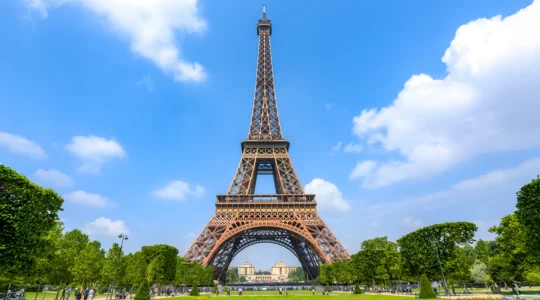
Best sightseeing bus tour in Paris with panoramic city highlights
Choosing the best sightseeing bus tour in Paris with panoramic city highlights means looking beyond the number of stops or the ticket duration. The quality of the vehicles, the frequency of departures, the onboard commentary and the digital tools available…
Lire la suite
What makes st. barth apartment rentals unique: the island’s distinctive charm
St. Barthélemy, affectionately known as St. Barth, stands out as a jewel in the Caribbean crown, offering a unique blend of French sophistication and tropical allure. The island’s apartment rentals embody this exceptional character, providing visitors with an unparalleled experience…
Lire la suiteThe saturday city: Austin
Austin, the state capital of Texas, is an island of blue in a sea of red. It’s a liberal city in a very conservative state. In Austin, you’ll find boutique food, bike lanes, alternative bars, hippies, open homosexuality, food trucks,…
Lire la suite5 must have Apps for travelers
If you are a traveler, you would understand the importance of apps when you’re lost in a new place,can’t remember your itinerary, need to find the best hotel deal and so on. With the inclusion of countless apps in the market place each…
Lire la suiteCool things to do in London
London is full of fun and thrill. There cannot be a single soul who cans complaint of boredom in London. Be it any season, London is highly active throughout the year. If you are a tourist you can initially visit…
Lire la suiteMy favorite destinations in Costa Rica
Costa Rica is one of the most-visited countries in Central America. American tourists have been flocking to the country for years, and it’s become a hot spot for retirees and expats due to its cheap living, great weather, amazing beaches, and friendly…
Lire la suiteBest bungee jumping locations in India
India is just not a place for pilgrimages. It has diverse activities to be carried out. If you love adventures, India has ample places to explore. Bungee jumping really needs guts, and if you have some, do try it out….
Lire la suiteBest night Trekking places around Bangalore
Are you a night owl? Do you love wandering around in the night? Looking for some night trekking places around Bangalore? Here goes the list. Bheemeshwari It is 110 km away from Bangalore city. It is one among the best…
Lire la suiteBest places to visit around Bangalore
Bangalore has its own charm. Be it exploring the city or loafing around the city, you will find many places worth visiting. The following are the best places to visit around Bangalore. Ramanagaram It is 50 kilometres away from Bangalore…
Lire la suiteBest rejuvenating spas in Bangalore
A spa is the best way to pamper your body. The body cells need to be repaired and rejuvenated. What better way than treating it with aroma oils? There are many spas that cater to the needs of the customer….
Lire la suiteLove spots in Chennai
Remember the romantic movie “2 States”, the blockbuster hit of the year 2014? Yes, it was shot in Chennai. Who says Chennai is associated only with temperature and humidity? Love is in the air and Chennai definitely has some cozy…
Lire la suite