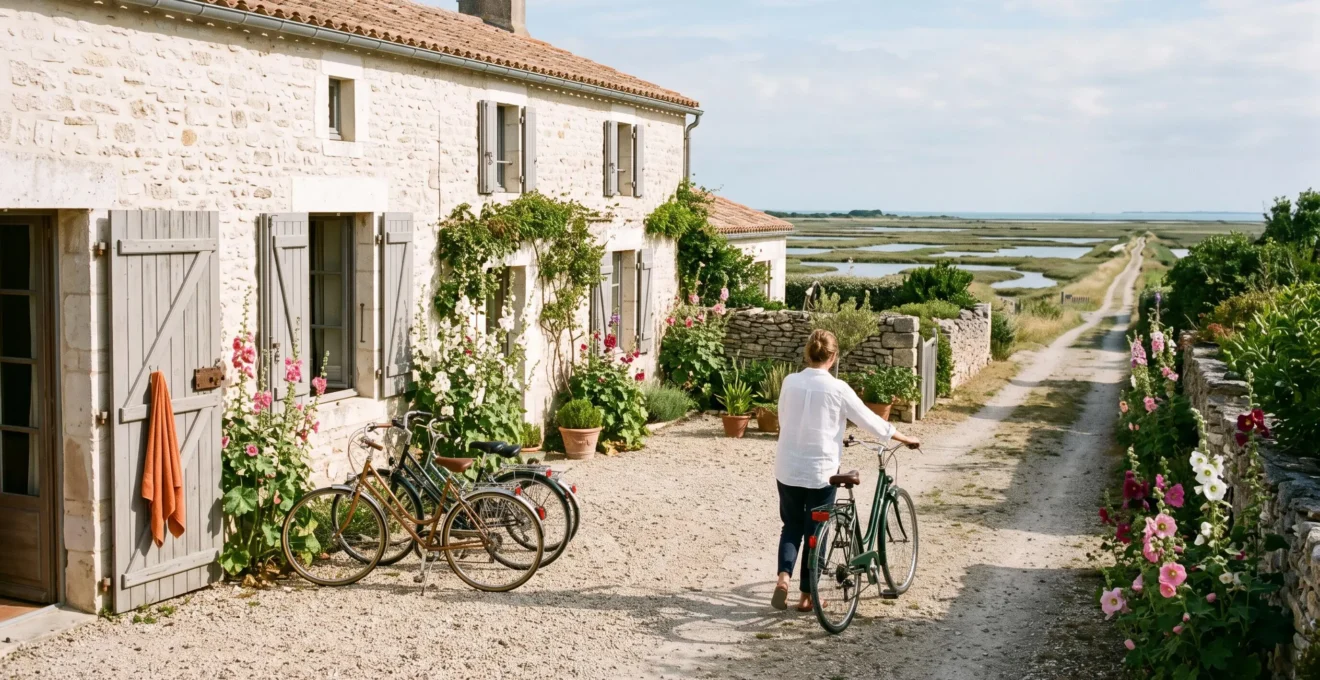
Luxury villas can be ideal for exploring Île de Ré because they work as a stable, comfortable base—as long as the location and practical features (especially around biking and daily logistics) match how you plan to move around the island.
The island’s rhythm often mixes villages, beaches, and nature stops in the same day. A well-chosen luxury villa rental Île de Ré can make that easier: you leave early, cycle light, return to your own space for meals and downtime, then head out again without relying on hotel schedules.
How a luxury villa can help you explore Île de Ré—quick decision points
- Choose the village first: your base determines daily cycling options and how much you need the car.
- Prioritise bike practicality: easy access to cycle paths and secure storage can change your day-to-day comfort.
- Use the villa for logistics: meals, breaks, and flexibility can make longer loops realistic.
- Check local short-term rental rules: confirm the property is properly registered before you commit.
- Value comes from fit: the “worth it” question is mostly about location and how you travel, not prestige.
Why a Villa Changes the Way You Explore Île de Ré
Direct answer: A luxury villa changes exploration on Île de Ré by giving you a fixed base that supports cycling-focused days—space to prepare meals, store gear, and reset between village loops—so your time goes into discovering the island rather than managing constraints.
On Île de Ré, you often explore by combining short rides, village stops, and time outdoors. That style fits naturally with returning to a “home base” each evening (or even midday) instead of adapting to fixed meal times, limited space, or daily packing and unpacking.
This is where a villa makes a concrete difference: it can reduce friction—breakfast when you want, quick lunch at home between rides, a quiet spot to rest—and that can translate into more ambitious cycling loops and more relaxed evenings.
One reason cycling matters so much is that the island is particularly bike-friendly. According to Destination Île de Ré (the official tourist office), the island has 138 km of cycle paths on mostly flat terrain, which supports daily travel by bike for many visitors: réseau cyclable officiel de l’île.
Will staying in a villa actually help me explore the island better?
Yes—if the villa removes a practical constraint that would otherwise slow you down: distance to cycle paths, lack of secure bike storage, reliance on restaurant schedules, or a base that forces long backtracking. The benefit is rarely “luxury” in the abstract; it is time and flexibility.
A simple test is to imagine your day around biking: can you leave early without fuss, return quickly to shower and eat, then head back out? If the answer is yes, a villa can make exploration smoother than accommodation that is more restrictive on space, privacy, or self-catering.
Cas pratique
Hypothetical scenario: you plan to cycle through two or three villages in one day, with a market stop in the morning and a beach break later. With a villa, you can carry lighter bags, return for a late lunch, recharge, and cook dinner at home—rather than adjusting your route to restaurant availability or spending extra time commuting back and forth for essentials.
Is a luxury villa worth the cost for a first visit to Île de Ré? It can be, but mainly when it matches your exploration plan: a location that reduces daily travel effort, and facilities that support self-organised days (kitchen, outdoor space, storage). If you expect to spend most of your time outside—cycling, beaches, villages—the “value” comes from how much friction the villa removes, not from a promise of better weather, fewer crowds, or guaranteed experiences.
Comparison can help you decide. The table below focuses on exploration impact rather than comfort alone.
| Decision factor | Luxury villa | More standard accommodation (e.g., hotel / apartment) |
|---|---|---|
| Daily flexibility | Often high: meals and timing can revolve around your route | Varies: may depend on services, schedules, and space |
| Bike logistics | Can be excellent if there is secure storage and quick access to paths | Varies a lot: storage and access may be limited depending on the property |
| “Reset” between stops | Strong: privacy and outdoor space make midday breaks easier | More limited: you may stay out all day or rely on cafés/restaurants |
| Best suited for | Multi-stop days, groups/families, travellers who want a calm base | Short stays, travellers prioritising services or central walkability |
Which Location Should You Choose for Your Villa?
The best village to stay on Île de Ré depends on how you want to explore: mostly by bike, a mix of bike and car, or short walks with occasional day trips. For a villa stay, location matters more than amenities because it sets your daily “starting line”.
Which village should I pick as a base for my stay?
Pick the village that minimises friction for your priority activities: village-hopping by bike, beach time, or quieter nature-focused days. Instead of searching for a single “best village,” decide what you want to repeat daily—markets, long coastal rides, or calmer evenings—and base yourself where that repeatable pattern is easiest.
In practice, three checks are usually more useful than the village name alone: distance to a cycle path entrance, distance to everyday shops, and ease of leaving the island by car if you plan mainland excursions.
How does the villa location affect the way you explore the island?
A villa near the bridge can reduce arrival and departure time, which helps if you have a short stay or late check-in. A villa further along the island can feel calmer and can make it easier to commit to cycling loops without feeling pulled back toward the bridge area.
The most “exploration-friendly” location is often the one that lets you start a ride quickly and return without stress—especially when you want to avoid driving and parking during busy periods. In other words, prioritise being close to your transport mode (cycle paths) rather than close to a single attraction.
- If you want to explore mainly by bike:
Choose a villa with easy, safe access to cycle paths and secure storage; accept being a little farther from the bridge if it improves ride comfort.
- If you have a short stay (few nights):
Consider being closer to the bridge to reduce transit time, but still verify cycle-path access so you do not default to driving.
- If you want quieter evenings and slower days:
Prioritise a calmer village setting and outdoor space, then plan 1–2 “big ride” days rather than trying to cover everything daily.
- If beaches are your anchor activity:
Choose a base that lets you reach your preferred beach area early by bike; check wind exposure and ride comfort on your usual routes.
If you are still hesitating between two areas, compare them with a concrete “day loop” (market → ride → beach → villa). That exercise usually reveals whether the villa’s location supports your preferred rhythm—or quietly pushes you into using the car more than planned.
If your trip is part of a bigger European route, you may also find it useful to map your timing around a broader Europe itinerary so your travel days do not eat into island exploration time.
Planning Your Days Around the Island
The easiest way to explore Île de Ré efficiently from a villa is to plan days as loops: start and finish at your base, with two or three meaningful stops rather than trying to “cover the whole island” daily.
This approach fits the island’s bike culture and keeps your experience comfortable: you carry less, you can adapt to the weather, and you always have a reliable place to reset.
How do you organise your days from your villa to explore Île de Ré efficiently?
- Start early with a specific first stop
Pick one anchor (a market, a village centre, a beach) so the day has direction from the start.
- Build a cycling loop with 2–3 stops max
Plan fewer stops but spend more time in each; it reduces time pressure and makes detours feel like a bonus, not a problem.
- Return to the villa for a reset
Use the kitchen, showers, and outdoor space for lunch or a break—this is where a villa’s comfort becomes practical.
- Keep a “Plan B” transport option
If wind, fatigue, or a change in plans happens, decide in advance whether you will switch to car, taxi, or simply shorten the loop.
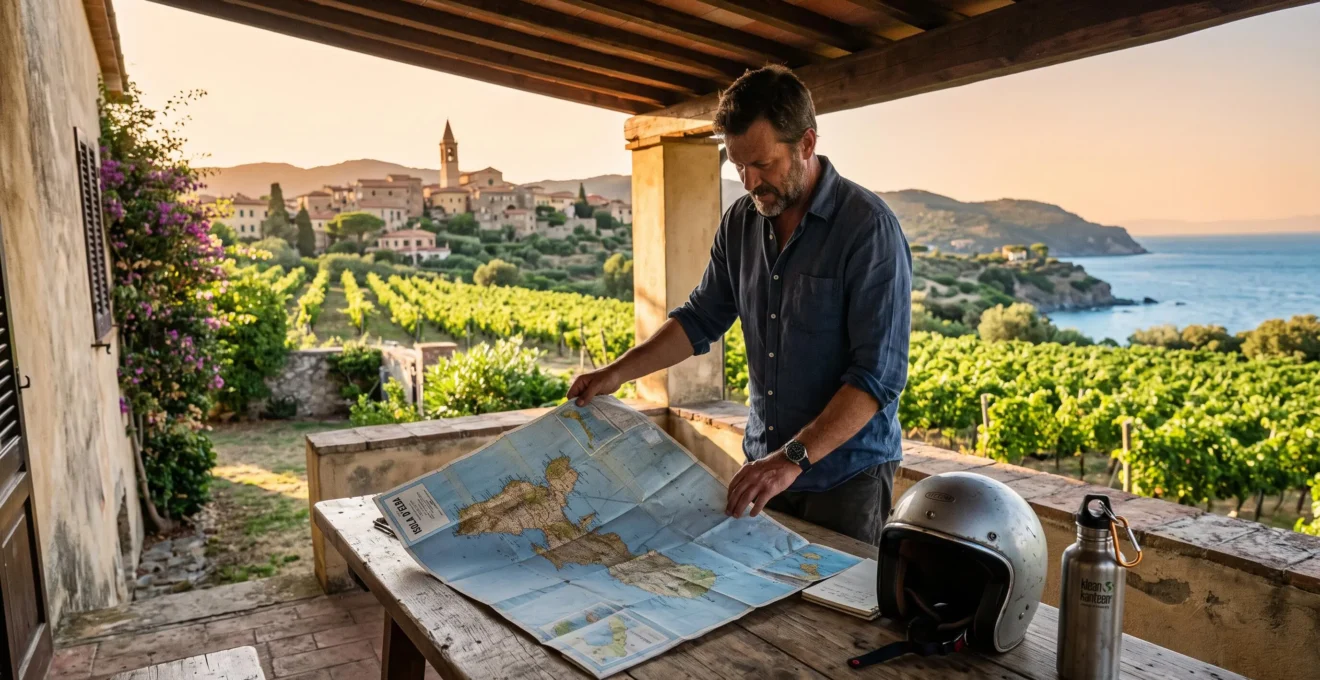
How should you adapt your plan to seasonality?
In peak periods, the practical advantage of a villa is often the ability to shift your day earlier or later: early rides, quieter beach slots, and dinners at home instead of searching for last-minute tables. In calmer months, the value comes from comfort and autonomy—warm meals at home, easier recovery after longer rides, and less dependence on what is open that day.
Because opening days and market schedules can change, the safest method is to confirm your must-do items close to departure using official local guidance. Destination Île de Ré publishes visitor information and advice through its channels; use it to avoid building a day plan around something that is not operating.
Practical tip: When you plan a cycling loop, note where you can refill water and where you can safely lock a bike; it reduces stress and helps you stay flexible.
What Should You Check Before Booking?
Before booking a luxury villa on Île de Ré, focus on checks that protect both your stay and your ability to explore: compliance, exact micro-location, and exploration-friendly equipment. These points matter even more on an island where traffic and parking can influence the entire feel of your trip.
Are there rental rules I should know about?
Yes. Rules can apply to short-term rentals on Île de Ré, and they may affect whether a property can be legally rented out for your dates. For example, the Communauté de Communes de l’Île de Ré states that since 1 June 2025, short-term rental of a secondary residence requires a registration number and an authorisation for change of use delivered by the mayor (under conditions): autorisation de changement d’usage.
What to do with this information: when you shortlist villas, ask for confirmation that the rental complies with the applicable local rules (registration where required, and any authorisations mentioned by the local authority). If the answer is unclear, treat it as a risk—not as a detail.
What criteria should I check to choose a villa suited to exploring the island?
- Verify the exact location (not just the village name)
Ask for the precise address or a map pin, then assess how quickly you can reach cycle paths, shops, and your preferred beach areas.
- Confirm bike practicality
Check for secure storage, easy access in and out, and enough space for your group’s bikes and equipment.
- Check parking and arrivals
If you arrive by car, confirm parking conditions and how that works during busy weeks—so you do not lose time each day.
- Assess kitchen and outdoor setup
If you plan full-day loops, self-catering becomes a real advantage; confirm the kitchen is genuinely usable for daily meals.
- Read cancellation and payment terms carefully
Look for clear conditions that match your risk tolerance, especially if your dates depend on transport connections.
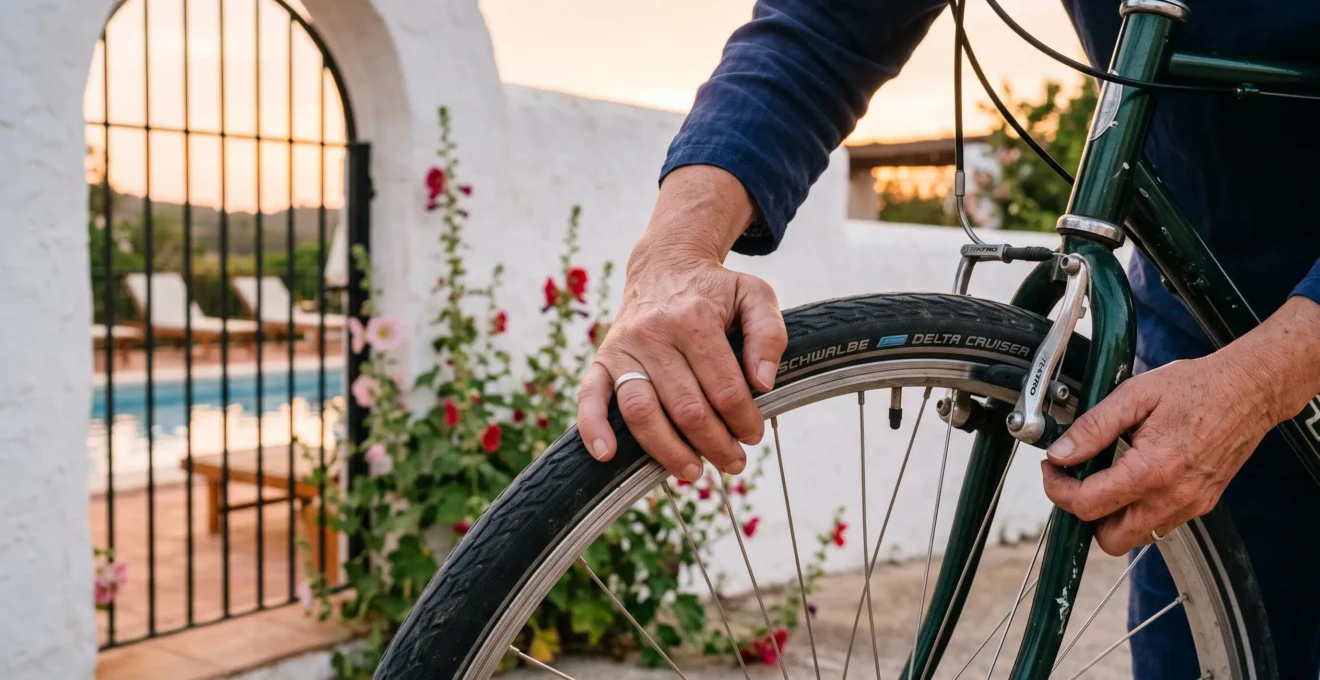
A common value trap to avoid: Paying for high-end features you will barely use if the location pushes you into driving daily or makes cycling inconvenient.
Making the Most of Your Île de Ré Stay
A villa base can also make it easier to extend your exploration beyond the island—because you can keep the comfort of a familiar “home” while doing a half-day or day trip on the mainland. The key is timing: plan off-island outings on days when you expect to cycle less, so the trip feels like an addition rather than a disruption.
How can you extend your exploration beyond Île de Ré from your villa base?
A practical approach is to reserve one flexible slot (often mid-stay) for a mainland visit, then return to the villa for the evening. That way, you do not lose the villa advantage—space, calm, and meal autonomy—while still seeing nearby highlights. Because travel times and transport options vary by season and traffic, confirm current access advice through official channels before you commit to a schedule.
If your wider trip includes time in the capital, keep a city-based planning resource bookmarked for later: Paris guide.
If you are weighing accommodation types, the most decision-friendly takeaway is this: a luxury villa is “ideal” for exploring Île de Ré when it is positioned for cycling and equipped for self-organised days. If those two conditions are met, the premium you pay is more likely to translate into real exploration time—rather than into features that look good but do not change your daily experience.