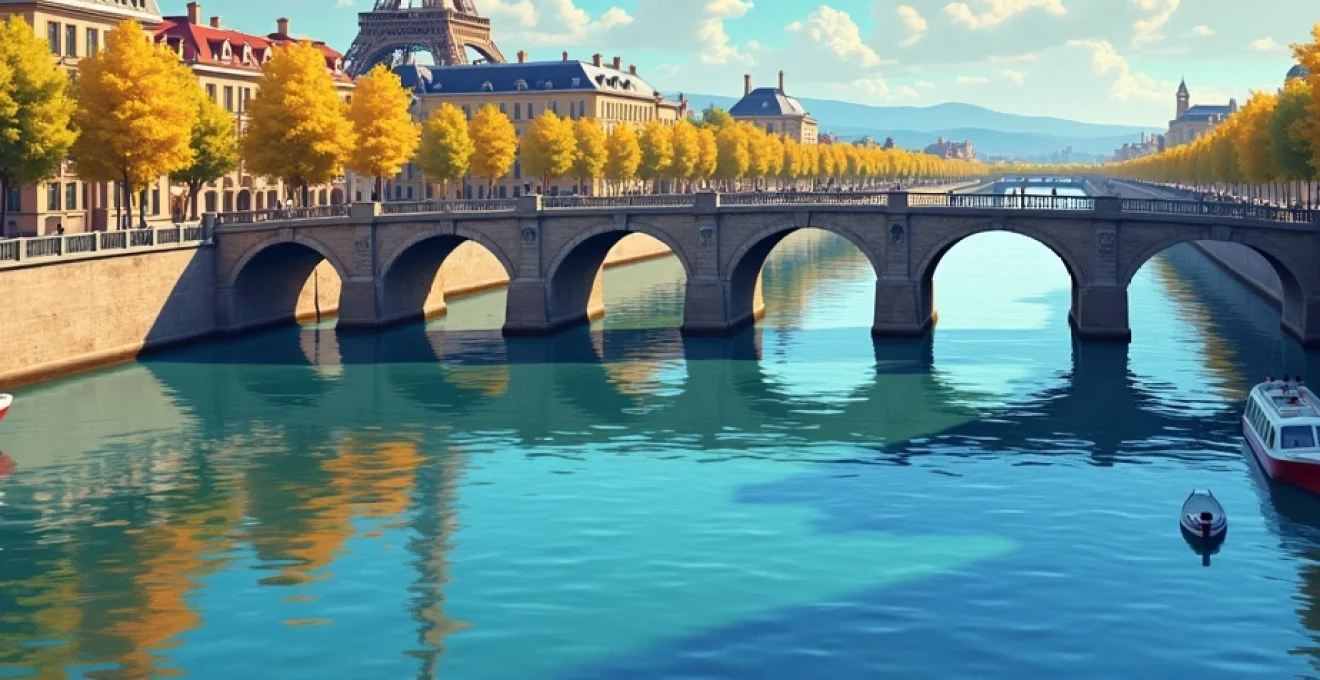
Planning the perfect European adventure can be a thrilling yet daunting task. With its rich tapestry of cultures, stunning landscapes, and iconic landmarks, Europe offers an unparalleled travel experience. A well-crafted itinerary is the key to maximising your time and ensuring you don’t miss out on the continent’s treasures. From the romantic streets of Paris to the ancient ruins of Rome, a carefully planned journey can transform your holiday into an unforgettable odyssey through history, art, and culinary delights.
Crafting the optimal 14-day western european itinerary
The ideal 14-day Western European itinerary strikes a balance between popular destinations and hidden gems, allowing travellers to experience the essence of Europe without feeling rushed. Begin your journey in London, where you can spend three days exploring iconic sights such as Big Ben, the Tower of London, and the British Museum. From there, hop on the Eurostar to Paris for another three-day adventure, immersing yourself in the City of Light’s unparalleled charm.
After Paris, take a high-speed train to Amsterdam for two days of canal-side wandering and world-class museums. Next, journey south to the eternal city of Rome for three days of history, art, and incredible cuisine. Cap off your trip with three days in Barcelona, where you can marvel at Gaudí’s architectural wonders and soak up the Mediterranean vibe.
This itinerary covers five major European cities, offering a diverse range of experiences while allowing enough time in each location to truly appreciate its unique character. Remember to factor in travel time between destinations and consider overnight trains to maximise your sightseeing opportunities.
Multi-city connections: efficient rail and air travel routes
Efficient transportation is crucial for a seamless European adventure. The continent’s extensive rail network and budget airlines make it easy to hop between cities and countries. Understanding the best travel options can help you save time and money while enhancing your overall experience.
Eurostar High-Speed rail: london to paris in 2 hours 16 minutes
The Eurostar is a marvel of modern transportation, whisking passengers from London to Paris in just over two hours. This high-speed train service offers a comfortable and scenic alternative to flying, departing from the heart of London and arriving in central Paris. Book your tickets in advance to secure the best fares and enjoy the convenience of city-centre to city-centre travel.
TGV network: rapid transit through france’s major cities
France’s TGV (Train à Grande Vitesse) network is renowned for its efficiency and speed. These high-speed trains connect major French cities, making it possible to travel from Paris to Marseille in just over three hours. The TGV also offers international routes to neighbouring countries, providing a comfortable and eco-friendly way to explore Europe.
Deutsche bahn ICE: connecting german metropolises
Germany’s InterCity Express (ICE) trains are the backbone of the country’s rail network, linking major cities like Berlin, Munich, and Frankfurt. Known for their punctuality and comfort, ICE trains offer a reliable way to traverse Germany and connect to neighbouring countries. Consider purchasing a rail pass if you plan to make multiple train journeys during your trip.
Budget airlines: ryanair and EasyJet for Inter-Country hops
For longer distances or when time is of the essence, budget airlines like Ryanair and EasyJet offer affordable options for inter-country travel. These carriers operate extensive route networks across Europe, often flying into smaller airports. While they can save you time and money, be sure to factor in additional costs for luggage and airport transfers when comparing prices with train travel.
Cultural capitals: Must-Visit landmarks and hidden gems
Europe’s cultural capitals are treasure troves of history, art, and architecture. While iconic landmarks are undoubtedly worth visiting, don’t overlook the lesser-known attractions that often provide a more authentic and intimate experience of a city’s culture.
Paris: beyond the eiffel tower to musée d’orsay and le marais
Paris is synonymous with the Eiffel Tower, but the city’s charm extends far beyond this iron icon. After admiring the tower, head to the Musée d’Orsay, housed in a beautiful former railway station and home to an impressive collection of Impressionist art. Spend an afternoon wandering through Le Marais, a historic district known for its trendy boutiques, vibrant Jewish quarter, and picturesque Place des Vosges.
Rome: colosseum, vatican city, and trastevere’s authentic charm
Rome’s ancient wonders like the Colosseum and Vatican City are must-see attractions, but don’t miss the opportunity to explore the charming neighbourhood of Trastevere. This medieval district across the Tiber River offers a glimpse into authentic Roman life, with its narrow cobblestone streets, traditional trattorias, and lively piazzas. It’s the perfect place to experience la dolce vita away from the tourist crowds.
Barcelona: gaudí’s sagrada família and gothic quarter exploration
Antoni Gaudí’s unfinished masterpiece, the Sagrada Família, is Barcelona’s most famous landmark. After marvelling at its intricate facades and soaring spires, lose yourself in the labyrinthine streets of the Gothic Quarter. This historic neighbourhood is a maze of medieval buildings, hidden plazas, and atmospheric cafes. Don’t miss the chance to visit the Santa Caterina Market, a less crowded alternative to the famous La Boqueria.
Amsterdam: canal ring UNESCO site and van gogh museum
Amsterdam’s Canal Ring is a UNESCO World Heritage site and the perfect place to begin your exploration of the Dutch capital. Take a canal cruise to admire the city’s distinctive architecture and bridges from the water. Art enthusiasts shouldn’t miss the Van Gogh Museum, home to the world’s largest collection of works by the Dutch post-impressionist painter. For a unique experience, visit the hidden Begijnhof, a tranquil courtyard surrounded by historic buildings in the heart of the bustling city.
Gastronomic journey through european cuisines
A trip to Europe is as much a culinary adventure as it is a cultural one. Each country and region boasts its own unique flavours and dining traditions, offering travellers a delicious way to immerse themselves in local culture.
Parisian bistronomy: Michelin-Starred L’Ami louis to street crepes
Paris is a food lover’s paradise, ranging from haute cuisine to humble street food. Indulge in a memorable meal at the legendary L’Ami Louis, known for its perfectly roasted chicken and decadent potato galette. For a more casual experience, grab a crepe from a street vendor and enjoy it while strolling along the Seine. Don’t forget to sample French cheeses at a local fromagerie and pick up a fresh baguette from a neighbourhood boulangerie.
Italian culinary traditions: rome’s cacio e pepe to florentine bistecca
Italian cuisine varies greatly from region to region. In Rome, try the classic pasta dish cacio e pepe, a simple yet delicious combination of pecorino cheese and black pepper. If your itinerary includes Florence, don’t miss the chance to savour a perfectly grilled Bistecca alla Fiorentina, a thick T-bone steak traditionally served rare. Pair your meals with local wines and finish with a scoop of artisanal gelato for the full Italian experience.
Spanish tapas trail: san sebastian pintxos to barcelona’s la boqueria
Spain’s tapas culture offers a delightful way to sample a variety of dishes in one meal. In San Sebastian, indulge in pintxos, the Basque Country’s take on tapas, often served on small pieces of bread. Barcelona’s La Boqueria market is a feast for the senses, where you can sample everything from fresh seafood to cured meats and local cheeses. Don’t leave Spain without trying authentic paella and refreshing sangria.
Culinary exploration is an essential part of any European journey. Each meal is an opportunity to connect with local culture and create lasting memories.
Accommodation strategies: from boutique hotels to airbnb experiences
Choosing the right accommodation can significantly enhance your European travel experience. From luxurious hotels to cosy apartments, the options are vast and varied. Consider mixing different types of accommodation throughout your trip to get a diverse taste of European hospitality.
Boutique hotels offer a unique and often more personalised experience than large chain hotels. Look for properties in historic buildings or trendy neighbourhoods to add an extra layer of local flavour to your stay. In Paris, for example, the Marais district is home to several charming boutique hotels housed in renovated mansions.
Airbnb and other vacation rental platforms provide an opportunity to live like a local, often at a lower cost than traditional hotels. These options are particularly appealing for longer stays or when travelling with a group. Many hosts offer insider tips and recommendations, helping you discover hidden gems in your destination.
For budget-conscious travellers, hostels have come a long way in recent years. Many now offer private rooms alongside dormitory-style accommodation, combining affordability with social opportunities. In cities like Berlin and Amsterdam, design hostels provide stylish and comfortable lodging at reasonable prices.
Navigating schengen visa requirements and border crossings
Understanding visa requirements is crucial for smooth travel within Europe. The Schengen Area, comprising 26 European countries, allows free movement across borders for tourists and short-term visitors. However, it’s essential to be aware of the rules and limitations.
For travellers from many non-EU countries, including the United States, Canada, and Australia, a Schengen visa is not required for stays of up to 90 days within a 180-day period. However, it’s important to check the specific requirements for your nationality before travelling, as regulations can change.
When crossing borders within the Schengen Area, you may not always encounter passport control, but it’s wise to carry your passport at all times. Some countries, like the United Kingdom and Ireland, are not part of the Schengen Area and have separate entry requirements.
Keep track of your entry date into the Schengen Area, as overstaying can result in fines or future travel restrictions. If you plan to stay longer than 90 days or visit non-Schengen countries, research the specific visa requirements well in advance of your trip.
Balancing urban exploration with rural european charm
While Europe’s cities are undoubtedly captivating, incorporating rural excursions into your itinerary can provide a refreshing contrast and a more comprehensive European experience. Many of the continent’s most picturesque landscapes and charming villages are just a short journey from major urban centres.
Tuscan countryside: vineyard tours in chianti and san gimignano
Escape the crowds of Florence with a day trip to the rolling hills of Tuscany. The Chianti region, famous for its wine production, offers scenic drives through vineyards and olive groves. Visit family-run wineries for tastings and learn about traditional winemaking methods. The medieval town of San Gimignano, known for its distinctive towers, provides a perfect backdrop for exploring Tuscan history and architecture.
French riviera: monaco’s opulence to eze’s medieval beauty
The French Riviera offers a stunning mix of glamorous coastal cities and charming hilltop villages. From the opulence of Monaco, with its famous casino and yacht-filled harbour, take a short trip to the medieval village of Eze. Perched high above the Mediterranean, Eze offers breathtaking views and a glimpse into traditional Provençal life. Explore its narrow streets, artisan shops, and the exotic Jardin d’Eze for a tranquil retreat from the bustling coast.
Swiss alps: interlaken’s adventure sports and zermatt’s matterhorn views
Switzerland’s alpine region provides a perfect blend of outdoor adventure and scenic beauty. Interlaken, nestled between two lakes, serves as a gateway to the Jungfrau region and offers activities ranging from paragliding to hiking. For a more relaxed mountain experience, visit car-free Zermatt, dominated by the iconic Matterhorn. Take a scenic train ride or cable car for panoramic views of the surrounding peaks and glaciers.
Dutch windmills: kinderdijk UNESCO site and zaanse schans village
Step back in time with a visit to the Netherlands’ iconic windmills. The UNESCO World Heritage site of Kinderdijk showcases a network of 19 windmills dating back to the 18th century, offering insight into Dutch water management and engineering. For a more immersive experience, visit the Zaanse Schans, an open-air museum village near Amsterdam. Here, you can explore traditional wooden houses, watch artisans at work, and even climb inside a functioning windmill.
Venturing beyond urban centres allows travellers to experience the diverse landscapes and traditions that make Europe truly unique. These rural excursions often provide the most memorable moments of a European journey.
By balancing city exploration with rural charm, your European itinerary can offer a rich tapestry of experiences. From the grandeur of historic capitals to the tranquillity of countryside retreats, each destination contributes to a comprehensive understanding of Europe’s cultural and natural heritage. Remember to allow flexibility in your schedule for spontaneous discoveries and moments of relaxation amidst your adventures.